
.svg)
As the weather turns colder and wetter, homeowners across Lancaster, Preston, Kendal, and Barrow often start to notice signs of damp or condensation appearing indoors. From older stone cottages in Kendal to 1930s semis in Preston, moisture-related problems are particularly common in the region’s traditional housing stock – much of which was built before modern damp-proofing or ventilation standards.
While these issues are familiar, they shouldn’t be ignored. Persistent damp can cause structural decay, mould growth, and health problems, while condensation can damage finishes and lead to costly long-term repairs.
Although both involve moisture, they have very different causes – and require different solutions.
Occurs when warm, humid air hits a cold surface (such as single-glazed windows or external walls). It’s especially common in kitchens, bathrooms, and north-facing rooms.
Results from moisture travelling up through masonry from the ground, often where a damp-proof course has failed or is missing.
Is caused by water seeping through the building fabric – typically from cracked render, damaged guttering, or defective pointing.
A RICS survey will accurately diagnose which type you're dealing with, helping to avoid unnecessary or ineffective repairs.
Every area has its own moisture challenges. Our surveyors frequently identify the following issues across the region:
Condensation and internal mould in densely built Victorian terrace with limited ventilation.
Blocked or overflowing gutters leading to penetrating damp around window heads.
Rising damp in traditional stone cottages without an effective damp-proof course.
Salt and water ingress from coastal winds causing plaster damage and corrosion around openings.
These local factors make independent surveyor advice invaluable, particularly before purchasing or renovating a property.
While some cases require professional investigation, small improvements can make a big difference:
Use trickle vents, extractor fans, or slightly open windows in problem areas.
Clear autumn debris before heavy rain sets in.
Improving loft insulation and double glazing helps reduce condensation.
Dehumidifiers or smart humidity sensors can alert you to changes early.
However, if you notice persistent damp patches, peeling paint, or a musty odour, it’s time to seek a qualified inspection.
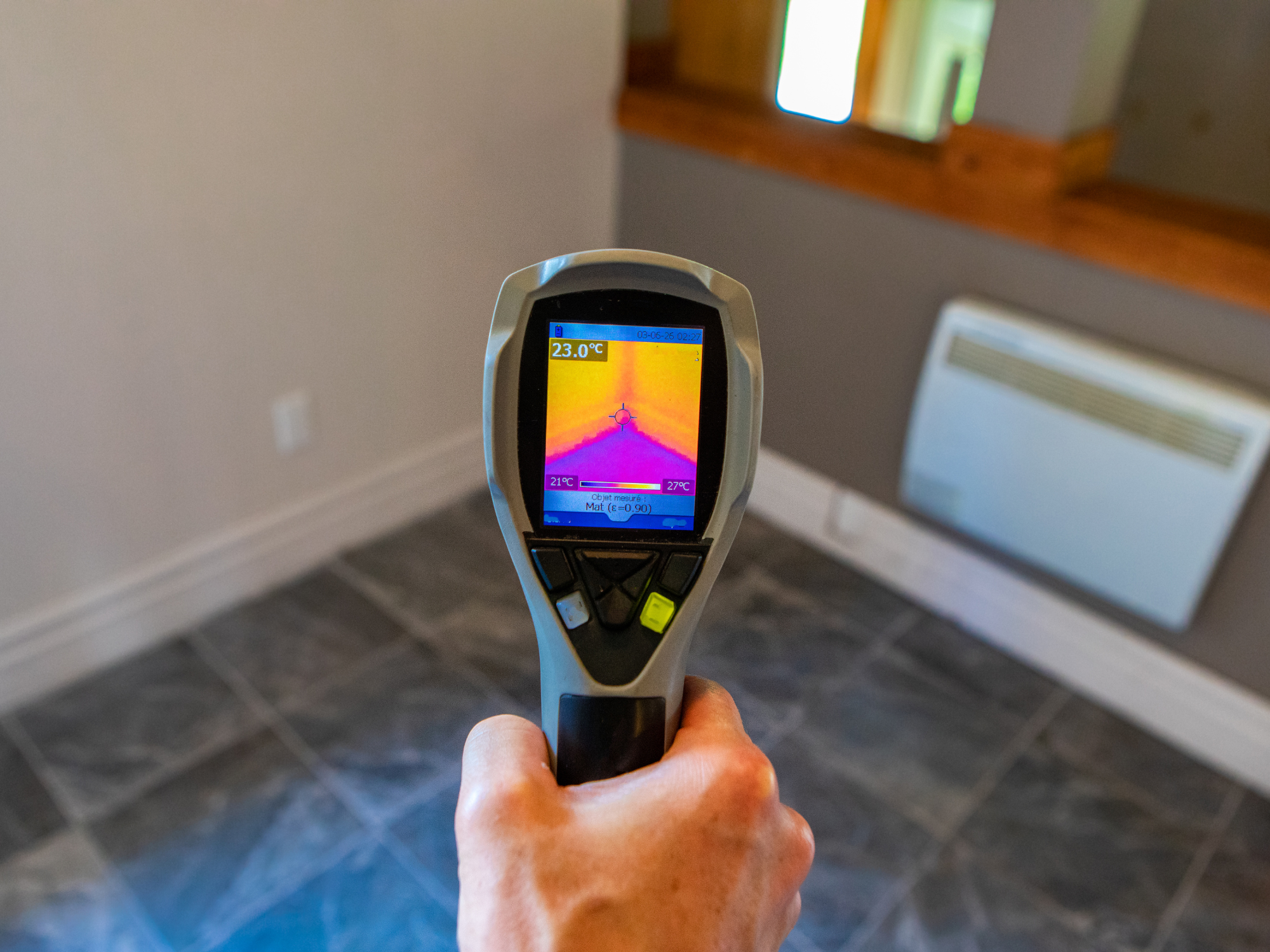
A RICS-qualified surveyor doesn’t just identify visible signs – they use moisture meters, thermal imaging, and experience to trace the root cause.
At Fisher Wrathall Surveyors, our reports provide:
- Clear diagnosis of the damp type and cause.
- Practical, evidence-based recommendations.
- Guidance on repair priorities and estimated costs.
This independent advice protects buyers from unexpected repairs and helps sellers resolve issues before marketing their property.
Whether you’re a first-time buyer in Lancaster, managing a rental portfolio in Preston, or maintaining a coastal home in Barrow, our team can help. We provide detailed Level 2 and Level 3 surveys and specific defect reports across the North West – all tailored to your property’s construction and environment.
Lancaster: 01524 900955 | Preston: 01772 592500 | Barrow: 01229 340341 | Kendal: 01539 251252
Email: info@fwsurveyors.co.uk
Location: Fisher Wrathall Surveyors, 82 Penny Street, Lancaster, LA1 1XN | 515 Garstang Road, Broughton, Preston, PR3 5JA